

by Special Guest Contributor Magnus Ringberg, MSc Sport Science, BSc Physiotherapy
This blog post was first sent to Jenni’s email list as an email newsletter. Sign up for the JRY email newsletter here!
Struggling to stay consistent with your yoga/movement practice? This article explores practical, research-informed strategies to help you build a sustainable, long-term practice – even when motivation dips, time is limited, or your body isn’t feeling its best.
A Note From Jenni:
I’m so happy to share a brand-new, specially commissioned article by my friend and colleague Magnus Ringberg on a topic that so many of us grapple with: how to sustain a yoga practice (or any movement practice!) over the long term.
Magnus, a physiotherapist, sports medicine researcher, and yoga teacher, brings a thoughtful, evidence-based perspective to questions that come up again and again for both practitioners and teachers – like how to stay consistent, how to navigate pain and injury, and how to find the “not too much, not too little” sweet spot in practice.
One of the things I especially appreciate about Magnus’ work is how practical and grounded it is. Rather than offering quick fixes or idealized routines, he shares realistic strategies that can actually fit into our lives – like minimum effective dose and a flexible mindset – that can support a more sustainable, long-term relationship with movement.
If you find this article helpful, please consider sharing it with your friends and community. These are conversations that can really shift how we think about consistency and long-term practice.
Without further ado, here is Magnus’ article!
–Jenni
How to Sustain a Yoga Practice Over the Long Term (Without Burning Out or Breaking Down)
by Magnus Ringberg, MSc Sport Science, BSc Physiotherapy
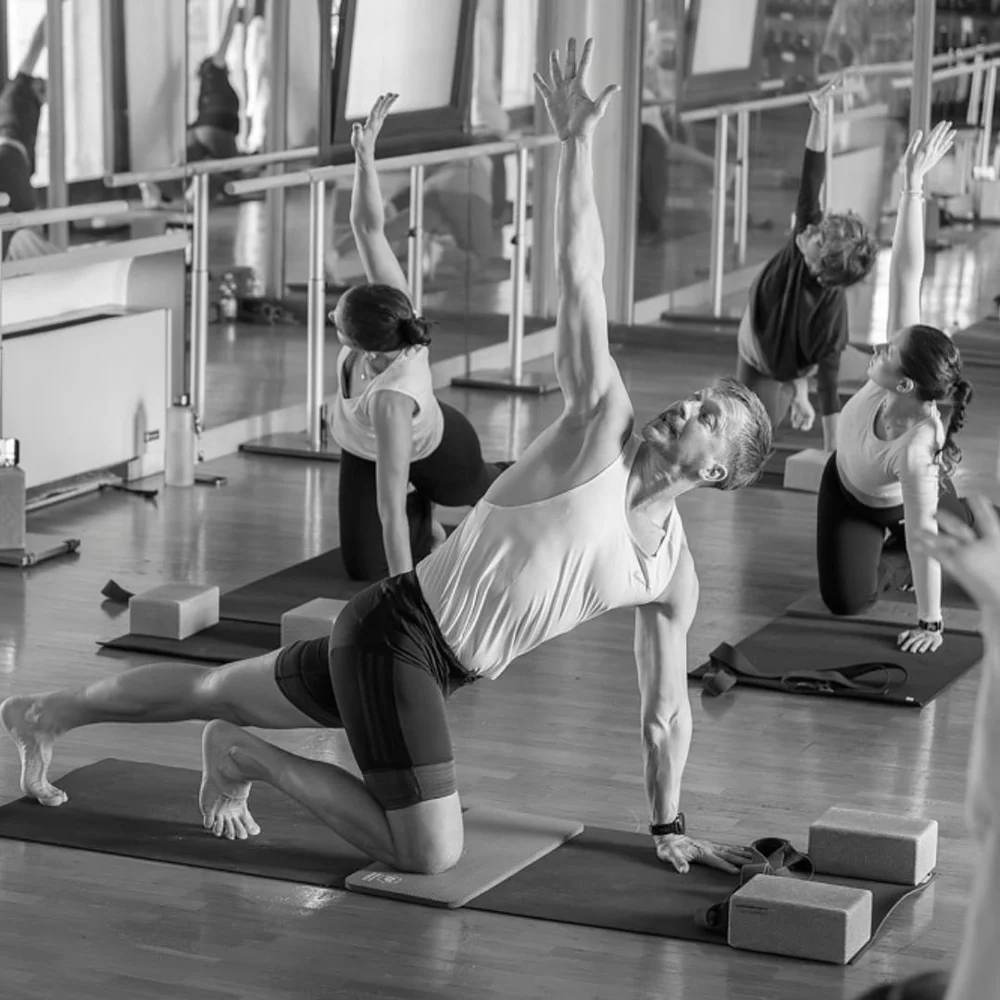
To achieve meaningful effects in any field of health and performance, consistent practice is essential. A single effort won’t bring about significant change; instead, long-term habits are necessary to create lasting improvements.
Building a supportive environment and being mindful of both the content and the context of your practice can make a significant difference.
In this blog post, I will share practical strategies to help you (and your students) stay on track, avoid common pitfalls that can hinder progress, and build a supportive framework for managing pain and injuries – while finding the balance between not too much and not too little in your yoga/movement practice.
Rethinking What Counts as Practice
A Personal Starting Point
When I started practicing yoga 27 years ago, I was instantly hooked and felt so excited about the practice and inspired by the community. I attended every class and workshop I could fit into my schedule and eventually enrolled in a teacher training program.
I was taught to have a daily morning practice, which included a sequence that took me two hours to complete. Trying to maintain that routine – getting to the studio, doing the practice, having a quick breakfast, and rushing to work – became overwhelming, and I couldn’t keep up with it. Instead of relieving stress, I found myself more stressed about fitting it into my daily routine, and my body actually didn’t feel good as a result.
My back was becoming increasingly tense, and one of my knees started hurting after a particularly rough adjustment by a teacher during a lotus position. I knew I loved practicing yoga, but I realised I needed to develop a practice that was sustainable and tailored to my needs—one that suited my daily life and respected my body in its current state. This marked the beginning of my journey to embrace the yoga tradition, but filtered through modern knowledge of physiology and exercise planning.
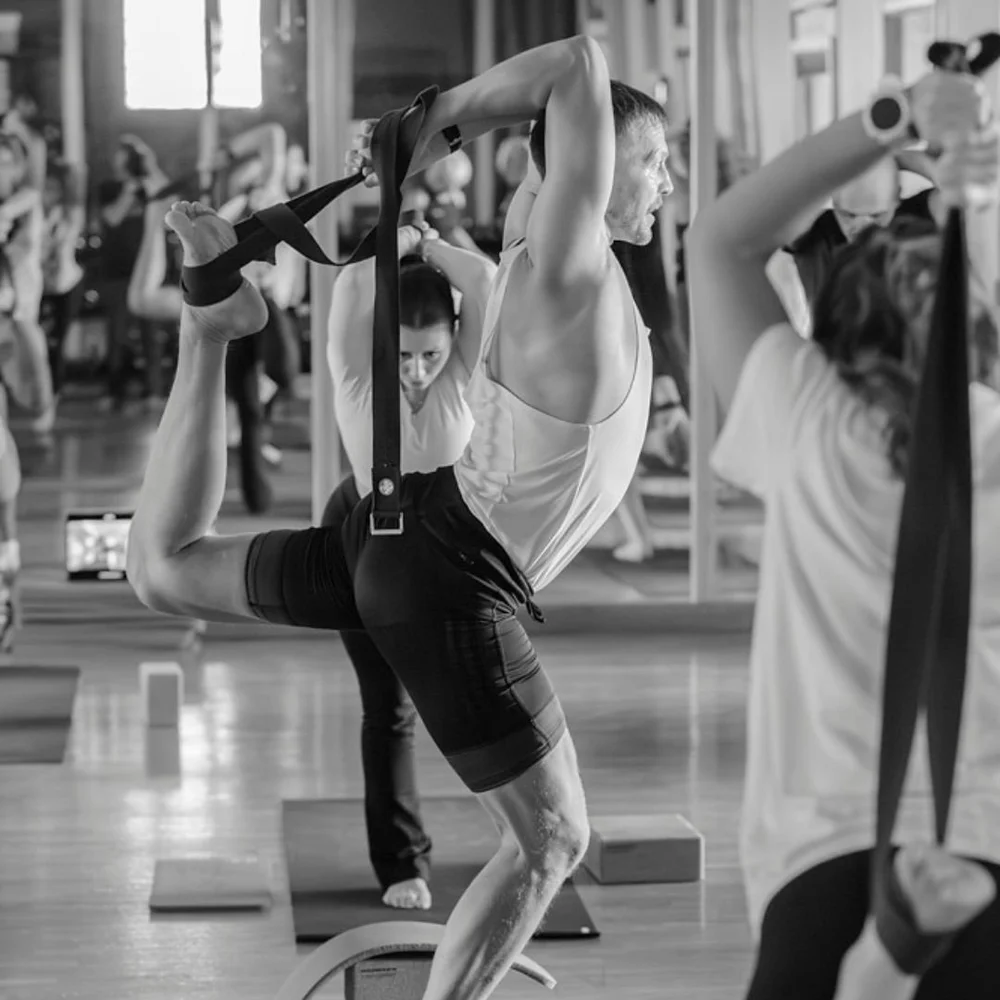
Do We Need Intensity to See Results?
Many people believe that intensity is a crucial aspect of practice (as I did for a long time), thinking that highly intense and advanced sessions are necessary to achieve results.
Although intensity can be one component of an exercise plan, it is not mandatory. We can achieve results even with sub-maximal intensity.
Today, research published in The Lancet (Ekelund et al., 2026) reveals that even small changes, such as adding just five minutes of moderate-to-vigorous physical activity per day or reducing sitting time by 30 minutes, can have a significant positive impact on public health.
Perhaps we need to update our understanding of physical activity and shift our focus from intensity to incorporating regular movement into our daily routines, fostering lifelong habits that support our health. This also aligns with the recommendations of the World Health Organisation (WHO), which encourages regular physical activity throughout the week and reducing sedentary behaviour.
Physical Activity vs. Physical Exercise
Physical activity is an umbrella term that refers to any form of movement, including everyday actions such as getting out of bed, walking, taking the stairs, or lifting shopping bags into a car.
Physical exercise, on the other hand, refers to a structured and planned type of physical activity, often involving specific movements or sports. Yoga is considered a form of physical exercise as it involves muscular contractions and controlled movements, although certain poses, such as lying down, can also be passive. However you choose to categorise your yoga practice, it always involves some degree of physical activity and offers health benefits.
Your body doesn’t distinguish between a formal exercise session and movements performed during daily life—the physiological response is the same.
Shorter and More Frequent, or Longer and Less Frequent Practice?
Since prolonged sitting can have negative effects, incorporating movement breaks or “exercise snacks” has become a popular topic in research due to their importance for both metabolic, mechanical, and cognitive health. A recently published study (Zhou et al., 2025) revealed interesting results and it seems to be a great idea to break up prolonged sitting with exercise snacks.
We don’t yet know if it’s better to spread out and divide a long yoga sequence throughout the day or complete it in one session. However, breaking it into smaller, manageable segments offers another way to integrate more physical activity into our daily lives. For some practitioners, this approach could be a helpful strategy to ensure the practice is completed, while for others, it might have the opposite effect.
However we choose to design our yoga programs, it’s important to minimise the barriers that might hinder our practice—because in the end, consistency is less about the perfect plan and more about creating conditions that make it possible to show up. What those conditions look like will vary greatly from person to person.
🧠 Are you aware of the barriers you face?
Overcoming Barriers to Exercise
Barrier #1: Time
When I meet people for private sessions, one significant part of the conversation is exploring the different barriers they face when it comes to exercise. With hindsight, most people have very good insight into what has worked well for them in the past, as well as what hasn’t been serving them.
One of my initial reflection exercises is to explore how we can create a personalised exercise plan that addresses one of the most common barriers for many people—time. If time is an issue, we need to approach it mindfully. On days when we encounter internal or external challenges such as low energy, limited time, pain, injury, or other unfavourable conditions, it’s essential to consider what duration of exercise is realistically manageable.
🧠
If you wanted to integrate a daily movement practice into your life, what duration of time would feel realistic to maintain consistently?
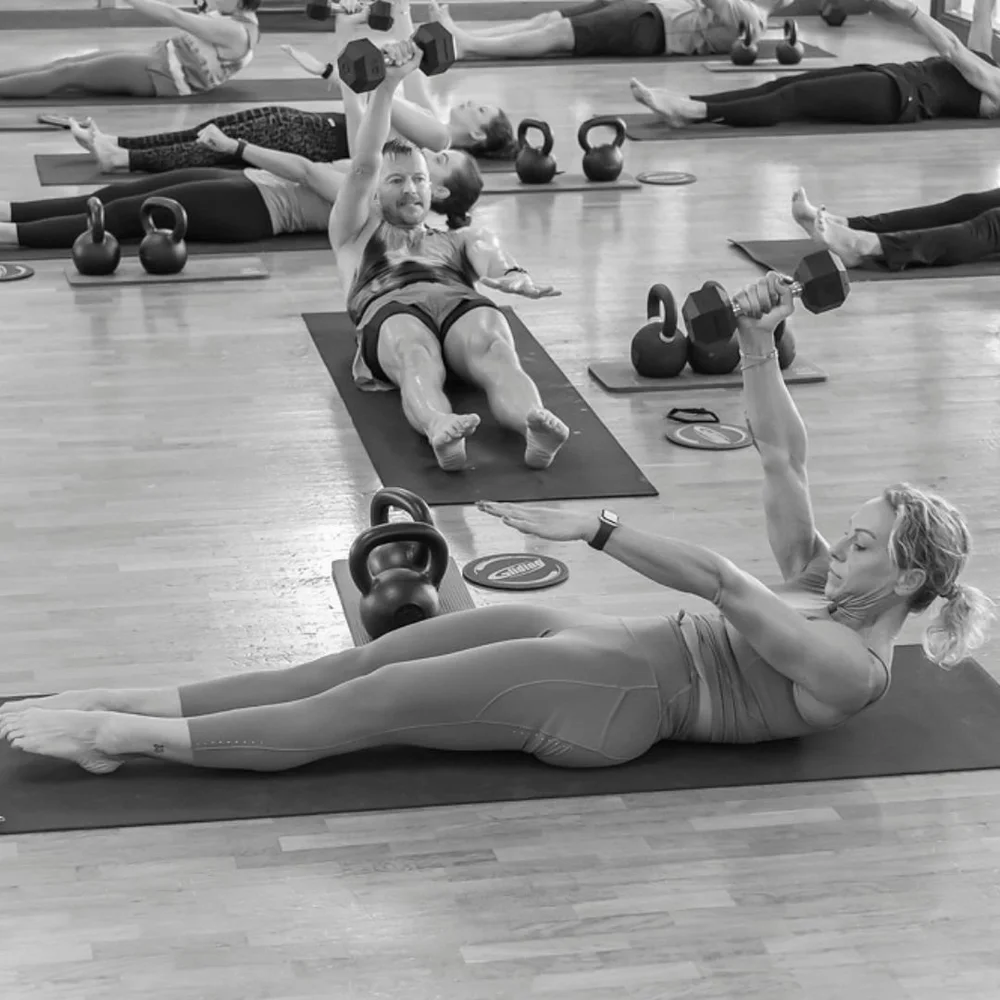
Barrier #2 Feeling “Stuck”
Recently, a client shared with me that she felt very stuck and couldn’t figure out how to start exercising again. She described it as being trapped in deep cross-country skiing tracks, unable to lift her feet and skis out of the “sedentary tracks.” Despite her desire to start exercising, she felt unable to take the first step.
We then created a 7-day plan to help her begin a daily yoga routine (8 minutes) that she could do while waiting for her morning coffee to brew. Since coffee was already part of her daily routine – including the time spent waiting for it – we introduced a new habit that could be seamlessly integrated. She received a personalised video to follow on her phone, along with daily text message reminders to keep her motivated. Once she got started, it became easier for her to continue, and she no longer felt stuck in her tracks.
What we can learn from this story is that we all need a thoughtful starting point and a routine that can be easily integrated into our lives and maintained under different circumstances. It should be tailored to meet our individual needs. Incorporating a personal or digital support system can also be a valuable addition.
Barrier #3: Not Identifying as an “Active Person”
Besides time and feeling “stuck” being common barriers to exercise, another challenge is the perception of not identifying as an “active person.”
X person: I’m not a yogi.
Y person: How often do you practice yoga?
X person: Never.
This scenario highlights a common mindset where individuals define themselves as “not being” a certain type of person – such as a runner, gym-goer, or yogi – which can create a mental barrier to engaging in those activities.
The question, “If you are not a yogi today, when do you become a yogi?” challenges this fixed mindset and invites reflection on whether this belief is helpful or limiting. It suggests that identity can evolve through action and consistent effort, rather than being defined by a rigid label.
Taking action fuels motivation. As Nike famously says, “Just do it.”
🧠 Is there a direction you’ve been wanting to explore in your exercise or yoga practice? Is it something you feel drawn to, but haven’t started yet?
Challenging Unhelpful Beliefs
The Allure of New Trends
One significant aspect of the yoga, rehabilitation, and wellness world is the constant allure of new trends and methods. It’s understandable – trying something new can be exciting and may motivate us to go to the yoga studio, alleviate aches and pains, or transform our bodies. It’s also tempting to switch plans when we grow bored or disappointed with our current exercise program, diet, or therapy, especially when a new option promises to be more enjoyable or finally “fix” our bodies.
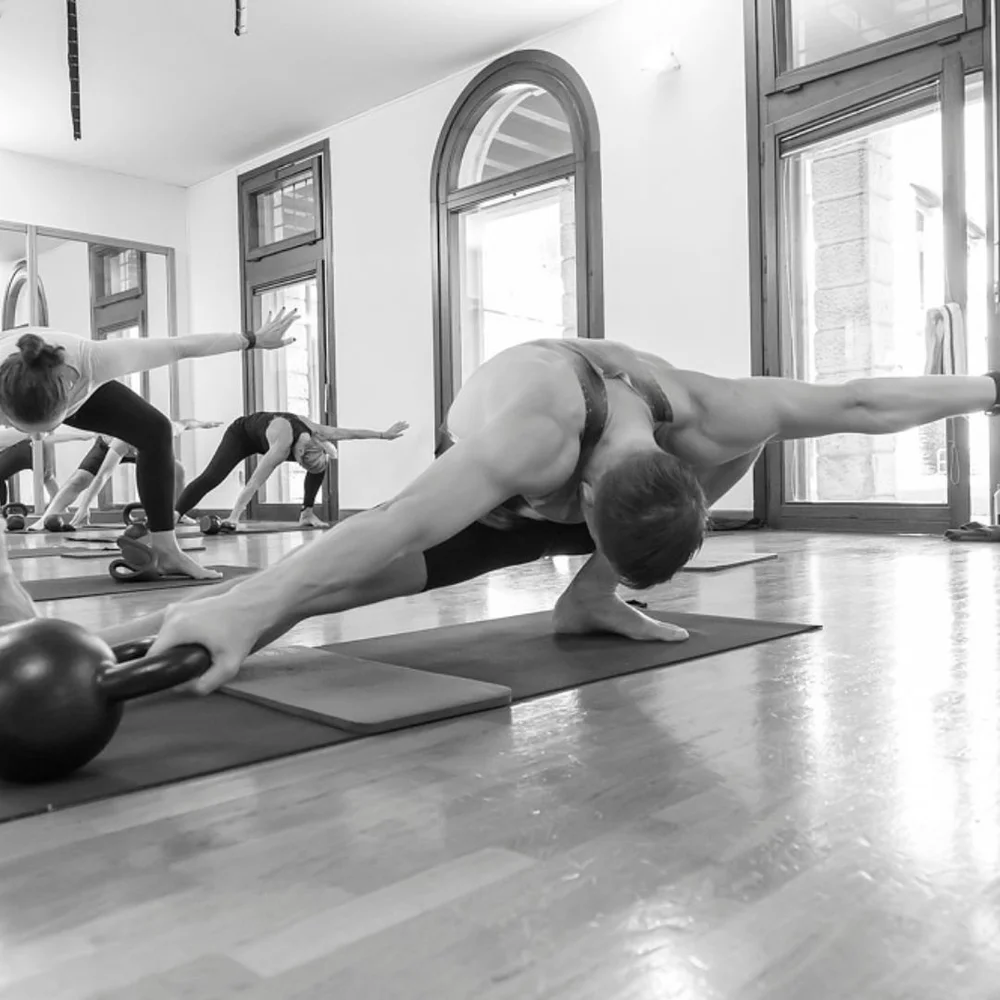
The Cycle of Unrealistic Expectations
The reality is that many of these programs are built on unrealistic expectations and unsustainable practices, setting individuals up for repeated disappointment. When these interventions inevitably fall short, they can leave people feeling inadequate and foster the belief that something is inherently wrong with their body or their ability to succeed.
This emotional toll can be significant, eroding self-esteem and creating a cycle of self-blame. Over time, this often leads to a search for the next big thing – a “magic” solution that will finally deliver the promised results. This pursuit of the “perfect” intervention can become a never-ending cycle, driven by the hope that the next program, product, or trend will be the one that works.
When Motivation Is Built on External Influence
The influence of others can be positive, but it can also lead to an ongoing tendency to follow trends, social media fads, or the practices of yoga celebrities. This type of motivation is often short-lived, driven by temporary appeal rather than long-term alignment. As a result, the habit is less likely to be sustained.
Building Habits That Feel Sustainable
Most habits fail because they are built on stress. When we force ourselves to adopt new routines, they are often not aligned with what we truly need. Sustainable habits require a sense of ease and safety – a foundation that allows us to return to the practice consistently, without pressure or resistance.
This sense of safety is essential for building a practice that can be maintained over time.
🧠 How can you be more mindful about who and what you choose to be inspired by?
How can you stay mindful while incorporating new habits and how can you create a nurturing foundation for them to thrive?
Content vs. Context: What Really Matters
A sustainable practice begins with a yoga program that aligns with your interests, needs, and how you want to feel while moving. Focus on what truly matters to you.
No activity is inherently bad for the body; it’s more about avoiding too much, too soon, too often, and allowing for adequate recovery.
One important distinction to make is between content (the type of program) and context (the environment around you). By separating these two dimensions, it becomes easier to identify what you need to prioritise in order to create a practice that is truly tailored to you. For some, having a supportive environment is more important than the specific exercises they choose to do.
There Is No “Perfect” Sequence
I often receive questions about the best asanas for the body and how to create the “perfect sequence.” I usually begin my reply with, “It depends,” because it truly does. It depends on who you are, your internal and external resources, where you are in life, and, of course, your personal interests.
Defining Your Own Practice
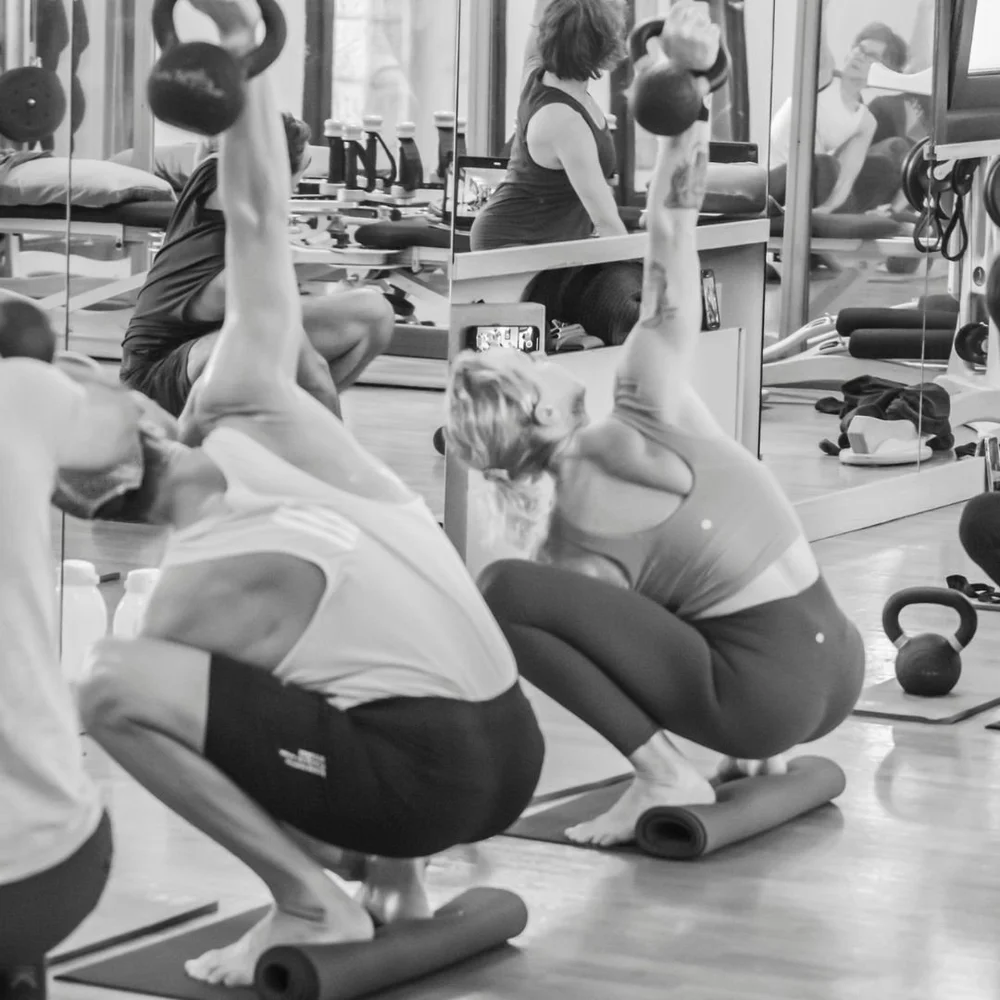
I focus on what I want my body to be capable of doing. For me, the goal is to build the ability to handle movement and load in different directions and positions. That’s why I prioritise a versatile practice that includes multidirectional movements, aiming to move all my joints in the ways they are naturally capable of.
At this point in my life, I don’t attend a studio for my practice. Instead, I choose to exercise in the gym, a hotel room, or outdoors. These are my guiding principles at this stage of life, and they will likely continue to evolve over time.
I strive to remain open to adjustment – whether it’s increasing or decreasing, adding or removing, stopping or starting. The key often lies in finding balance – not too much and not too little – while recognising that true equilibrium is dynamic and may never be fully achieved.
🧠 What types of yoga styles and other physical activities (content) resonate with your body, and what kind of environment (context) do you prefer for your practice?
Developing a Flexible Mindset for Long-Term Practice
Avoiding the All-or-Nothing Trap
A flexible mindset is essential for creating long-lasting exercise habits. Too often, people find themselves stuck in extremes – either doing too much and feeling overwhelmed, or doing nothing and feeling lost or like they’ve failed.
Uncertainty is part of life, and it needs to be part of the plan. Adapting is an art. When the need arises, be kind to yourself and take a step back to view the broader perspective.
A 100% Success Rate Mindset
⇆ If a walk can turn into a run, and a run can turn into a walk, you’ll have a 100% success rate.
With this type of flexible mindset, it’s important to recognise that whatever choice you make can be valid. If you view one activity (e.g., running) as better than another (e.g., walking), you may feel disappointed and begin to categorise your choices as either good or bad.
Instead, aim to adopt a broader perspective focused on sustainable habits and long-term commitment to physical activity. A kind and compassionate approach toward yourself is an essential part of this process.

Minimum Dose vs Maximum Dose
Another way to create a high success rate is to shift your focus from a maximum dosage (MXD) to a minimum dosage (MND) for your chosen activity.
Rather than planning sessions around the most you can do, you set a minimum that feels achievable. By consistently meeting that minimum, you build momentum and confidence, instead of feeling discouraged when you fall short of a strict plan.
Over time, you can choose to increase the minimum, or adjust it in the other direction depending on your circumstances. This approach helps you avoid both overexertion and doing too little.
Example 1: Roll out your yoga mat, no matter what, and begin with a couple of exercises that inspire you. If you don’t feel like continuing after 10 minutes, you can stop. If you choose to continue, everything beyond that is a bonus.
Example 2: Start with 4 sets of deadlifts at the gym, followed by 4 sets of dips. If you don’t feel like continuing after completing these 8 sets, you can stop. If you choose to continue, everything beyond that is a bonus.
Redefining Success Over Time
Many of us use a week as a reference point. For example, you might aim to complete four yoga sessions within seven days. Naturally, it can feel discouraging if you only manage two sessions in a week.
Weekly goals can be difficult to maintain consistently. Adjusting the timeframe can significantly improve your chances of success. By extending your perspective and viewing your goal over a longer period – such as 90 days – you create more flexibility.
Weeks with fewer sessions become less discouraging, as you have the opportunity to balance them with more active weeks later. This approach helps reduce pressure and supports a more sustainable rhythm.
What Consistency Really Means
Consistency is often misunderstood as always getting better and better. In reality, it’s about continuing over time and adapting to the circumstances of your life.
Some sessions will feel great, while others may feel boring, challenging, or even painful. The key is to navigate these variations while keeping your attention on the bigger picture.
We often let our best and worst sessions define our practice. In reality, most sessions fall somewhere in between – and it’s these ordinary, in-between moments that build long-term consistency.
🧠 How can you cultivate a flexible mindset and integrate a high success rate in your exercise plan?
Navigating Pain and Injury with a Broader Perspective
The Myth of “Bulletproof” Bodies
Every day, when I scroll through social media, I see posts about how to “bulletproof” your joints, avoid injuries, or become completely pain-free. It often sounds simple – as if one specific exercise can switch muscles on or off or target a single tissue to eliminate pain.
In reality, it is very difficult to avoid pain altogether. Living life inevitably involves experiencing pain, injuries, or illness that can influence how we move and experience our bodies.
What we can do is focus on how to keep moving forward, even when facing these challenges.
Does Yoga “Cause” Injuries or Does it Manage Them?
Since yoga is often used – and marketed – as a tool to manage pain and injuries, many people begin practicing for these reasons. This can create the impression that “yoga causes injuries,” when in reality, many practitioners are already dealing with pre-existing conditions.
Pain, Fear, and the Nocebo Effect
Another important aspect is that yoga can bring awareness to sensations in the body. Many movements involve a large range of motion in the joints, and certain positions (asanas) can be challenging to access. This can make sensations – including discomfort – more noticeable.
These experiences can be amplified if a teacher uses fear-inducing language or explanations that create a nocebo effect. For example, being told, “Avoid bending your spine if you have a herniated disc,” can increase feelings of fear and perceived threat.
In the yoga community, there are many outdated and inaccurate beliefs. The body is often described as fragile, and the importance of being overly cautious is emphasised. However, the truth is quite the opposite — the body is highly capable, adaptable, and resilient.
Rebuilding Trust Through Movement
When you experience pain or injury, it is natural to instinctively protect the affected area. However, over time, excessive protection can become unhelpful and lead to fear of movement, which may influence how pain is perceived.
Instead of acting like a smoke alarm that activates only in emergencies, the system may become more sensitive – responding even when you simply “light a candle.” This process is often described as increased the body becoming oversensitized.
To minimize this, it can be helpful to create an environment that supports a sense of safety and reduces perceived threat.
Fear itself can be a significant factor in pain. To begin rebuilding trust in the body, gradual and mindful exposure to movement is key.
🧠 How can you develop a way of communicating with yourself while moving that creates space for safety and avoids nocebic dialogue?

A More Democratic Approach to Body Awareness
When we practice – regardless of the style, method, or technique – there is often a tendency to focus intensely on specific parts of the body. This focus may be directed toward an area clearly involved in the movement (e.g., the hamstrings during a forward fold), or toward another area of interest. This point of focus can vary widely.
While focusing on one specific part of the body can be helpful, it’s important to remember that the body functions as an interconnected system. A more holistic approach involves expanding awareness to include additional areas of the body.
By doing so, you broaden your experience and recognise that you are more than just one isolated structure or muscle group.
I often describe this as a democratic approach to body awareness, where every part of the body is valued and contributes to the movement experience.
You can begin by gently shifting your attention away from the area experiencing pain, concern, or discomfort, and instead including the regions above, below, in front of, and behind it. This can help you reconnect with the body as a whole, rather than as a single problem area.
Suddenly, you’ll realise there is more to you than just an isolated body part. This approach fosters collaboration within the body, and an experience of more integration.
🧠 How can I use movement inquiry to explore the present moment and bring attention to other parts of my body?
How can I shift my focus and explore areas that I tend to overlook or usually do not integrate into the experience?
Summary
I hope the reflection exercises throughout this article have provided you with useful insights into how to create a practice that is tailored to your needs and goals. Focus on making informed decisions and returning to the fundamentals – simple principles that support sustainable results over time.
Consistency outweighs intensity. Progress comes from regular practice, even if it’s just a short, 4-minute movement “snack.” It may be time to let go of the idea that yoga sessions must always be long or demanding. Sometimes, less truly is more in the long run.
Forming new habits can be challenging. It helps to create a thoughtful and realistic plan. We often feel rushed, but in many cases, we’re not. Allow yourself the time and take it one step at a time. Gradual, consistent progression tends to be more sustainable.
There is a natural ebb and flow in any practice, and that is part of the process. With the right tools and a flexible mindset, it becomes easier to stay on track over time. Setbacks are a normal part of the journey. Let go of the idea of perfection.
Uncertainty is inevitable. When challenges arise, be kind to yourself and take a step back to reflect on the bigger picture. Adapt when needed. Life happens to all of us. The goal is not to avoid difficulty, but to keep moving forward – even in the presence of pain, injury, or changing circumstances.
I wish you all the best with your practice.
References
-Ekelund, Ulf, et al. “Deaths potentially averted by small changes in physical activity and sedentary time: an individual participant data meta-analysis of prospective cohort studies.” The Lancet 407.10526 (2026): 339-349.
-World Health Organization. WHO guidelines on physical activity and sedentary behaviour. World Health Organization, 2020.
-Zhou J, Gao X, Zhang D, Jiang C, Yu W. Effects of breaking up prolonged sitting via exercise snacks intervention on the body composition and plasma metabolomics of sedentary obese adults: a randomized controlled trial. Endocr J. 2025 Feb 3;72(2):183-192. doi: 10.1507/endocrj.EJ24-0377. Epub 2024 Nov 14. PMID: 39537176; PMCID: PMC11850105.
About the Author: Magnus Ringberg
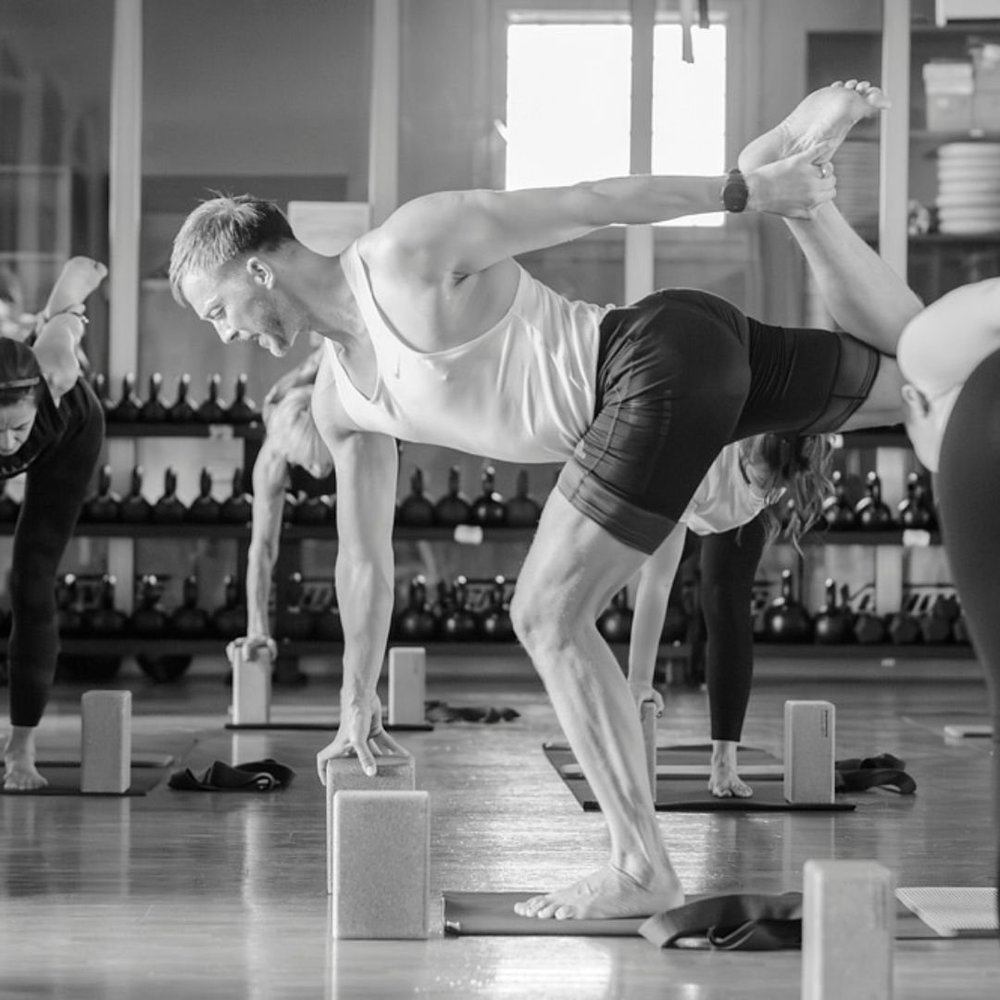
Magnus is a physiotherapist (Bachelor of Science in Physiotherapy from the University of Lund in Sweden) with a master’s degree in Sports Science from the University of Linneus in Sweden, and experience as a PhD student in medical science.
He’s also a yoga teacher and personal trainer who travels around the world teaching trainings, workshops, and classes.
Website: www.magnusringberg.com / IG: @magnusringberg
Practice yoga with Magnus in Jenni Rawlings’ yoga class library! Start your free week today.